Why a Pizza Restaurant Is Perfect for Sharing Meals
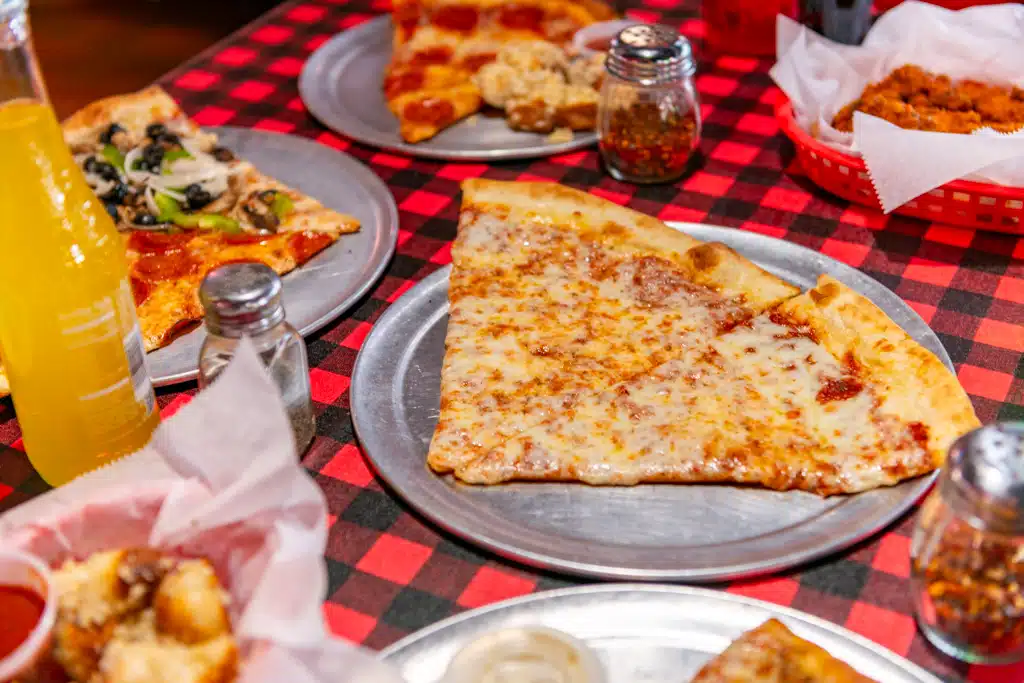

There are restaurants built around individual plates, and then there are restaurants built around the table. A pizza restaurant belongs firmly in the second category. Few dining formats encourage people to reach, pass, compare, negotiate, and linger the way pizza does. You can see it in the body language alone. The moment a large pie lands in the center of the table, the meal stops being a sequence of private orders and becomes a shared event.
That distinction matters more than it might seem. Sharing food changes the pace of a meal, the tone of conversation, and even the way guests remember the experience. In many restaurant settings, everyone orders separately, waits for their own plate, eats at their own speed, and makes isolated judgments about what was worth the money. In a pizza restaurant, the center of gravity shifts. The meal belongs to the group.
After years of eating with families, colleagues, visiting friends, and large mixed-age groups, I have come to appreciate how rare that is. Plenty of restaurants claim to be social, but pizza genuinely lowers the friction of eating together. It is easy to divide, easy to customize, familiar without being boring, and flexible enough to suit almost any occasion, from a Tuesday night dinner to a birthday with twelve people and a stroller parked by the aisle.
The table becomes the experience
A shared meal works best when the food itself supports interaction. Pizza does that naturally. It arrives in a format designed for distribution. No carving ceremony is required. No one needs special serving skills. A slice is its own portion, which means people can start modestly, go back for more, and leave room for tasting something else.
That matters because shared meals often fail on simple logistics. A roast chicken may be delicious, but someone has to portion it. A platter of pasta can turn into an awkward serving exercise. Even tapas, for all its charm, can create competition if the plates are too small or the menu too fragmented. Pizza is generous by design. One pie is already a communal object. Two or three pies transform the table into a conversation.
You hear it in real time. Someone asks for the last mushroom slice. Another person insists everyone try the white pizza before it cools. A child proudly claims the piece with the most pepperoni. Two friends debate whether hot honey improves or overwhelms a spicy sausage pie. Those small moments are not side effects. They are the meal.
A good pizza restaurant understands this and supports it. Larger tables matter. So does pacing. If the kitchen sends pies in a smooth rhythm rather than all at once or painfully late, the group stays engaged. Plates should be easy to grab, extra napkins should appear before they are needed, and staff should know when to clear and when to leave the table alone. Sharing works best when service feels attentive without interrupting the social flow.
Pizza solves the hardest problem in group dining
Group dining usually breaks down over preference, budget, or appetite. Pizza handles all three better than most formats.
Preference is the obvious one. In almost every group, there is at least one vegetarian, one person who wants meat, one person who avoids spice, and one diner who likes unusual toppings. A pizza restaurant can satisfy all of them without forcing the whole table into a compromise. One pie can stay classic with cheese or margherita. Another can carry mushrooms, olives, or roasted vegetables. A third can go richer with sausage, salami, or bacon. If half-and-half options are available, the flexibility grows even further.
Budget is the quieter issue, but often the more important one. Shared pizza tends to feel financially fair. Instead of one guest ordering the cheapest entree while another chooses a premium cut of meat, the group can spread the cost across several pies, salads, and drinks in a way that feels balanced. Even in upscale places, the format remains approachable. A table can control spending by adjusting the number of pizzas, adding or skipping sides, and deciding whether dessert is worth it.
Appetite is where pizza really shines. Shared slices let people calibrate as they go. A teenager who arrives starving can take three slices quickly. Someone who had a late lunch can start with one. A diner with a smaller appetite can still feel fully included without staring down a huge personal plate they never wanted. This flexibility is particularly useful for mixed groups, where children, grandparents, athletes, and casual eaters all bring different needs.
I have seen this play out in work dinners more than once. The safest way to feed a team with varied diets and uncertain schedules is often pizza. People can join late, eat immediately, sample several options, and keep talking. There is less ceremony and less waste. That sounds simple, but in hospitality, simple is often the hardest thing to execute well.
It encourages variety without making the meal complicated
One of the pleasures of eating out with others is trying more than one thing. Pizza makes that easy. A table ordering several pies gets a wider tasting experience than most diners would have on their own. You are not committing to a single flavor profile for the entire meal. You can move from a bright tomato and basil pie to something smoky with charred edges, then to a creamy white pie with ricotta, then maybe a seasonal special with squash or wild mushrooms.
That variety keeps the meal lively. It gives people something tangible to discuss, compare, and remember. If the crust on one pie has a stronger fermentation note, someone notices. If another pie has exceptional balance between salt, acid, and richness, it becomes the favorite. In a good pizza restaurant, these comparisons become part of the enjoyment, almost like an informal tasting menu without the stiffness or price tag.
This is also where pizza rewards quality. People sometimes talk about pizza as if it were inherently casual, but that can blur the difference between average and excellent. In a strong restaurant, details stand out when shared. You notice whether the dough has real character, whether the tomato sauce tastes fresh rather than sugary, whether the cheese is applied with restraint, whether the oven brings crispness without drying out the center. A table trying several pizzas can experience the kitchen’s range more clearly than a solo diner eating one full pie alone.
Sharing feels natural across generations
Few restaurant categories work as smoothly for multi-generational dining. A pizza restaurant can host grandparents, toddlers, teenagers, and adults without making any one group feel like an afterthought. That is not a small achievement.
Part of it comes down to familiarity. Pizza is widely understood, which removes the stress that can come with menus full of unfamiliar terminology or highly specific formats. Older diners know what they are getting. Young children usually recognize at least one option they will eat. Teenagers rarely need persuasion. Adults can still find nuance and craft if the restaurant does its job well.
The other part is flexibility at the table. Children can eat as soon as the first pie lands. Adults can continue talking while little ones settle in. If grandparents want a lighter slice and a salad, that is easy. If someone wants to avoid certain toppings, they simply choose another section of the meal. The structure is forgiving.
I have also noticed that pizza invites a more relaxed standard of etiquette, which is not the same as lower standards. People still share, wait, and pass plates, but the atmosphere tends to soften. A family does not feel pressure to perform a formal restaurant ritual. That relaxation often produces a better experience for everyone, including the staff.
The format suits both celebration and routine
Some foods are for special occasions. Others are for practical weeknights. Pizza manages to do both without feeling out of place.
For everyday meals, the appeal is obvious. A pizza restaurant offers speed, familiarity, and broad appeal. When people are tired after work, wrangling school schedules, or trying to fit dinner into a narrow time window, shared pizza gets food on the table with minimal decision fatigue. That alone makes it valuable.
For celebrations, pizza works because abundance reads as generosity. A table with multiple pies, a crisp salad, maybe a few starters, and drinks feels festive without becoming formal. Guests can move around the table, trade slices, and keep the energy up. At birthday dinners or casual milestone gatherings, this often works better than plated service, which can segment the room and lock each person into their own lane.
There is also an honesty to pizza celebrations that people respond to. Not every event needs white tablecloths or a synchronized tasting menu. Sometimes the best marker of a good gathering is that everyone ate well, talked loudly, stayed longer than expected, and argued over who gets the final slice. Pizza supports that kind of memory beautifully.
A good pizza restaurant makes hospitality visible
Because the food is so familiar, service becomes easier to judge. Guests quickly notice whether a pizza restaurant understands hospitality beyond simply delivering pies.
Timing is one of the biggest factors. Shared meals suffer when the kitchen cannot pace orders properly. If pies arrive too slowly, people fill up on appetizers and lose momentum. If all the food hits at once, the first pizzas cool while the later ones remain untouched. Skilled restaurants send the meal in waves that keep the table engaged and the pizza at its best.
The room matters too. Noise should feel energetic, not punishing. Tables need enough surface area for shared plates, glasses, condiments, and the inevitable leaning-in that good conversation requires. Seating should allow people to turn toward one another comfortably. These may sound like small operational details, but they shape whether a shared meal feels generous or cramped.
Then there is staff judgment. In the best places, servers know how to guide a group without dominating the experience. They help estimate how many pizzas a table actually needs. They warn guests if a certain pie runs heavier than expected. They know when to offer another round of drinks and when to quietly bring more plates instead. Shared dining creates different service demands than individual entrees, and the difference is easy to spot.
It scales better than almost any other restaurant format
One reason pizza is so effective for sharing is simple mathematics. It scales cleanly.
A table of two can split one pie and a salad. A table of four can order two or three pizzas with sides. A table of eight can mix classics and adventurous options without overcomplicating the kitchen or the bill. Even larger groups can be served efficiently if the restaurant is organized well. Many cuisines become harder to manage as the table grows, but pizza remains structurally sound.
This is especially useful in mixed social settings where not everyone knows one another. Shared pizza gives the group an easy common reference point. Nobody has to explain the dish. Nobody worries about looking inexperienced. People can contribute to a simple discussion about toppings and portions, then move on to actual conversation. That may be one reason pizza appears so often at team events, reunions, school gatherings, and informal celebrations. It reduces decision friction and social friction at the same time.
A pizza restaurant also accommodates fluctuating attendance better than many other venues. If two more people show up than expected, the table can often adapt by ordering another pie. If someone arrives late, they can still join the meal without derailing service. This kind of flexibility is gold in real life, where plans shift constantly.
The food itself invites generosity
There is something psychologically different about a whole pizza set down in the middle of the table. It signals enough. Enough for everyone to eat, enough to relax, enough to offer. That abundance changes behavior. People become more likely to say, “Try a slice of this,” or “Take the last one if you want it.” The meal feels less transactional.
Compare that with individually plated dining, where each person protects what they ordered because it belongs solely to them. Shared pizza encourages a milder form of ownership. People still have preferences, of course, but the basic assumption is communal access. That can soften a room, especially among guests who are not yet fully comfortable with one another.
Food writers often focus on flavor, technique, and ingredients, rightly so, but the social architecture of a meal deserves equal attention. Pizza performs unusually well on that front. It is one of the few foods that is both humble and theatrical. It arrives whole, fragrant, and visibly generous. It asks almost nothing of the diner except appetite and a willingness to pass the plate.
Even the imperfections work in its favor
Not every shared pizza meal is polished, and that is part of the charm. Slices slide. Toppings shift. Someone reaches for the same piece as someone else. Kids leave crusts. Extra chili flakes spill. Those imperfections make the meal feel lived in rather than staged.
From a professional perspective, there is value https://cristianlcqp508.raidersfanteamshop.com/the-most-popular-toppings-at-a-pizza-restaurant in restaurant formats that leave room for informality without sacrificing quality. A pizza restaurant can serve beautifully fermented dough, excellent produce, and carefully sourced cheese, while still allowing diners to be a little messy and a little loud. That combination is harder to achieve than it looks.
There are edge cases, of course. Some guests need strict dietary separation, and not every pizza restaurant is equipped for that. Very formal business dinners may call for a different setting. A group seeking quiet privacy might prefer a less bustling room. Pizza is not universally perfect. Still, for the broad middle of real dining occasions, where people want good food, easy conversation, manageable cost, and a shared sense of occasion, it is remarkably effective.
Why people come back
Repeat business in hospitality rarely depends on food alone. People return to places where they felt comfortable, included, and well looked after. A pizza restaurant has a built-in advantage because the format naturally supports those feelings. It is easy to recommend to friends. It works for different ages. It can be spontaneous or planned. Most important, it makes people feel like they ate together, not merely at the same table.
That distinction explains why pizza remains such a durable social food. It is not just that many people like it. Plenty of popular foods never become truly communal. Pizza does because it turns dinner into a shared rhythm. Order a few pies. Taste this one. Pass that slice. Get another round. Stay a little longer.
When a restaurant can create that atmosphere consistently, it becomes more than a place to eat. It becomes a place people use for the ordinary and memorable parts of life alike. And that is why a pizza restaurant remains one of the best settings for sharing meals.
RUFFRANO'S HELL'S KITCHEN PIZZA Security
385 Main St, Colorado Springs, CO 80911
(719) 390-4355
FAQ About pizza restaurant
Is there a Hell's Kitchen pizza restaurant in Security-Widefield?
Yes. Ruffrano's Hell's Kitchen Pizza has a Security-Widefield location at 385 Main St.
Where can I find pizza delivery in Security-Widefield?
Ruffrano's Security location offers online ordering. Enter your address at checkout to check delivery availability and fees.
Where can I find gluten-free pizza in Security-Widefield?
Ruffrano's menu lists a 12-inch gluten-free option. Call the Security location to confirm availability and ask about shared equipment if cross-contact is a concern.